Back to Blog
Travel Tips
9 min read
Best Time to Visit New Zealand: Complete Season-by-Season Travel Guide for 2026
Discover the best time to visit New Zealand for your trip. Learn about weather patterns, peak seasons, and travel tips for each season to plan your perfect Kiwi adventure.
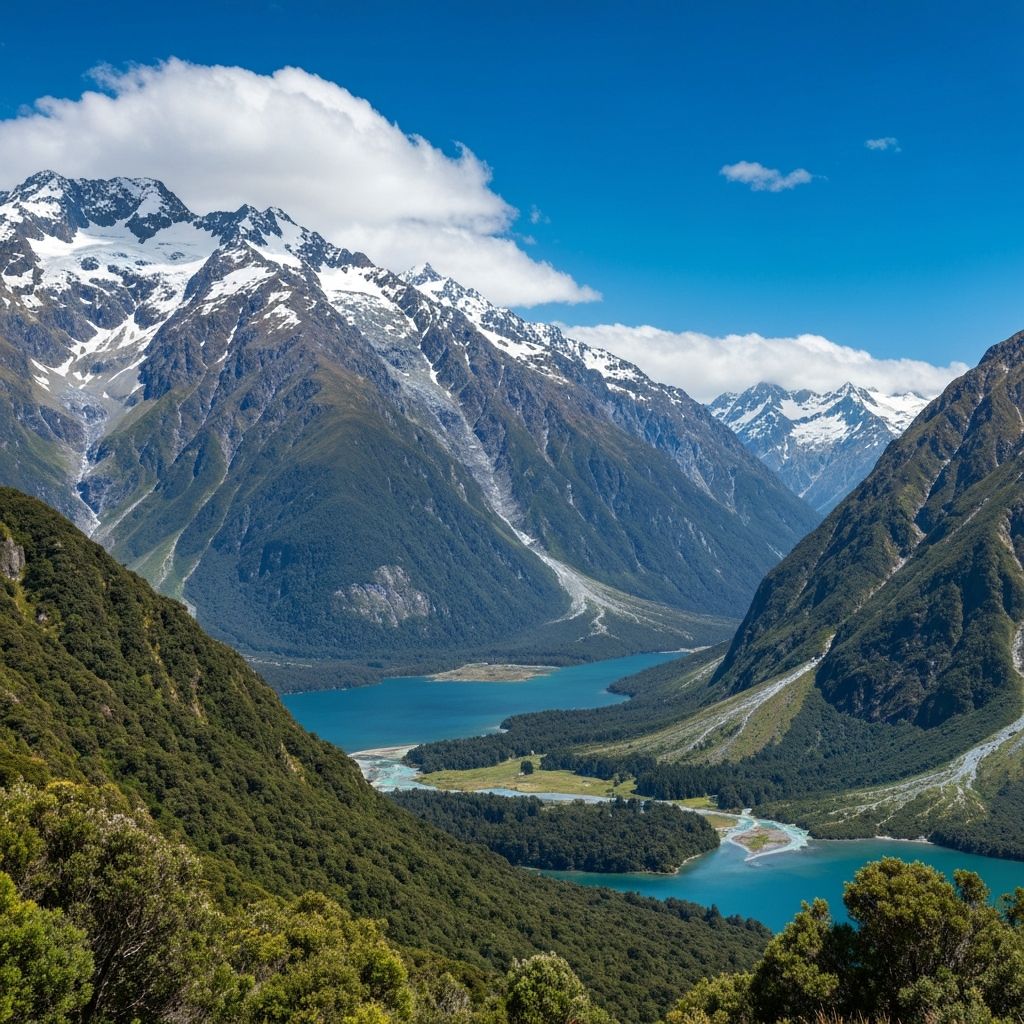
New Zealand's beauty is year-round, but the best time to visit depends on your travel preferences, budget, and desired activities. With distinct seasons offering unique experiences, understanding what each time of year brings will help you plan the perfect New Zealand adventure. From summer hiking to winter skiing, spring wildflowers to autumn golden landscapes, here's your complete guide to visiting Aotearoa.
Summer (December – February): Peak Season Adventure
Summer is New Zealand's high season, offering warm weather, long daylight hours (up to 16 hours in some regions), and ideal conditions for outdoor activities. Temperatures average 20°C (68°F) across the North Island and 17°C (63°F) in the South Island, with some regions reaching 25°C (77°F) or higher. This is peak hiking season – the Milford Track, Routeburn Track, and other Great Walks are fully booked. Popular attractions like Milford Sound, Rotorua, and the Bay of Islands draw large crowds. Summer is also the best time for water activities: kayaking, fishing, and beach swimming are at their best. Summer is also festival season: see our guide to New Zealand summer festivals for 2026 to 2027 and our Christmas in New Zealand 2026 guide for what is on. In early and mid February, Waitangi Day and the Auckland Lantern Festival add cultural events; see our Waitangi Day 2027 guide and Auckland Lantern Festival 2027 guide.
- Ideal for hiking, outdoor activities, and beach holidays
- Long daylight hours (sunrise ~7am, sunset ~9pm)
- Warmest temperatures across the country
- Peak season pricing – expect higher accommodation and tour costs
- Large crowds at popular attractions; book accommodation and activities in advance
- December-early January holidays make it busier and more expensive
Autumn (March – May): Ideal Weather and Fewer Crowds
Autumn offers arguably the best balance of weather and visitor numbers. Temperatures cool gradually from summer (20°C down to 15°C / 68°F to 59°F), but remain pleasant and predictable. Golden light bathes the landscape, making it superb for photography. Rain begins to increase, especially toward May, but generally remains moderate. This shoulder season means fewer crowds than summer – popular walks are quieter, accommodation is cheaper, and you'll have a more relaxed experience. Autumn is particularly beautiful in wine regions like Marlborough and Central Otago.
- Excellent weather with pleasant temperatures
- Beautiful autumn colors and golden light for photography
- Significantly fewer tourists than summer
- Lower prices for accommodation and activities
- Still a good time for most outdoor activities
- May begins transitioning toward wetter weather
Winter (June – August): Snow, Skiing, and Southern Lights
Winter brings snow to mountain regions and the coldest temperatures of the year. The North Island averages 10°C (50°F) while the South Island dips to 5°C (41°F) or below. Despite shorter daylight hours (around 10 hours), winter attracts skiers and snowboarders to world-class ski fields like Coronet Peak, The Remarkables, and Whakapapa. The lack of daylight actually creates ideal conditions for viewing the Southern Lights (Aurora Australis). Winter rainfall increases, particularly in the West Coast regions. Tourism numbers drop significantly, resulting in cheaper accommodation and easier access to attractions.
- Ski season in operation at multiple ski fields
- Southern Lights visible on clear nights (Aurora Australis)
- Lowest prices for accommodation and tours
- Smallest tourist crowds – genuine New Zealand experience
- Cold temperatures; layering and weatherproof clothing essential
- Some mountain roads close due to snow; check conditions before traveling
- Shorter daylight hours (around 10 hours) limit daylight activities
Spring (September – November): Wildflowers and Renewal
Spring marks nature's awakening with wildflowers blooming across New Zealand. Temperatures gradually warm from winter (10°C in September rising to 18°C by November / 50°F to 64°F). Rainfall continues in spring but is generally moderate. The landscape turns vibrant green, and daylight hours extend significantly (12-14 hours). Spring offers excellent hiking conditions as snow melts and tracks become accessible. This season is less crowded than summer but busier than autumn, with moderate pricing. September sees the first real warmth and is an excellent time to visit before summer crowds arrive. Spring also brings cultural events, such as the Auckland Diwali Festival at the end of October; see our Auckland Diwali Festival 2026 guide.
- Wildflowers and spring blooms across the country
- Temperatures warming progressively through the season
- Increasing daylight hours (up to 14-15 hours by November)
- Good hiking conditions as snow melts
- Fewer crowds than summer, lower prices than peak season
- Some tracks may still have snow or flood concerns in early spring
Regional Variations Within Seasons
New Zealand's climate varies significantly by region. The Far North experiences subtropical warmth year-round, while Central Otago has freezing winters and hot, dry summers. The West Coast (including Milford Sound) receives substantial rainfall year-round, particularly in winter and early spring. Auckland and the North Island are generally warmer than South Island regions. Consider your specific itinerary: if visiting primarily the West Coast, expect rain regardless of season; if focused on Queenstown, winter offers ski conditions but extreme cold; if visiting Auckland and Bay of Islands, subtropical conditions are reliably warm.
Best Times for Specific Activities
The ideal visiting time depends heavily on your planned activities:
- Hiking Great Walks: November-April (December-February peak, but crowded and booked)
- Skiing: July-August (peak conditions)
- Fishing: September-April (best variety)
- Whale watching: June-August (best conditions in Kaikoura)
- Wine touring: March-May (harvest and autumn colors)
- Photography: March-May or September-October (golden light, fewer crowds)
- Budget travel: June-August (lowest prices)
- Perfect weather: April-May or September-October (warm, dry, manageable crowds)
Booking Your NZeTA and Planning Ahead
Once you've chosen your ideal season, remember that getting your NZeTA is quick and simple. Apply at least 72 hours before your flight, though 2-3 weeks ahead is recommended for peace of mind. Consider our complete NZeTA application guide for step-by-step instructions. Peak season requires booking accommodations and activities several months in advance, while shoulder and off-season travel offer last-minute flexibility. Check NZeTA requirements for your country and ensure your passport is valid for at least 3 months beyond your intended departure.
Weather Preparation Tips
Regardless of season, New Zealand weather changes rapidly. Pack layers: the day might start cold and sunny but turn rainy and windy by afternoon. Bring a water-resistant jacket year-round. Summer requires sun protection (high UV index), while winter demands warm layers and proper hiking boots. In the South Island, particularly higher elevations and exposed regions, weather can deteriorate quickly – always check forecasts before tramping or outdoor activities. The West Coast is wetter than the East Coast; Fiordland and the West Coast can be extremely wet during any season.
Conclusion
The best time to visit New Zealand ultimately depends on your personal preferences and planned activities. Summer offers guaranteed warmth and long days but crowds and higher prices. Autumn and spring provide ideal weather with fewer tourists. Winter attracts skiers and delivers exceptional value. Each season reveals different facets of New Zealand's extraordinary landscape. Plan your trip around your interests, secure your NZeTA well in advance, and prepare for variable weather regardless of season. New Zealand's beauty awaits you – whenever you decide to visit. For more travel planning tips, check our guide to top destinations for first-time visitors or learn about NZeTA vs traditional visas to prepare for your journey.
Ready to Apply for Your NZeTA?
Start your New Zealand adventure today with a quick and easy NZeTA application
Request an NZeTA