Top 10 Destinations in New Zealand for First-Time Visitors: Where to Go and How Long to Stay
Ten New Zealand destinations for first-timers, with suggested stay lengths, seasonal tips, access notes and advice on planning a realistic itinerary.
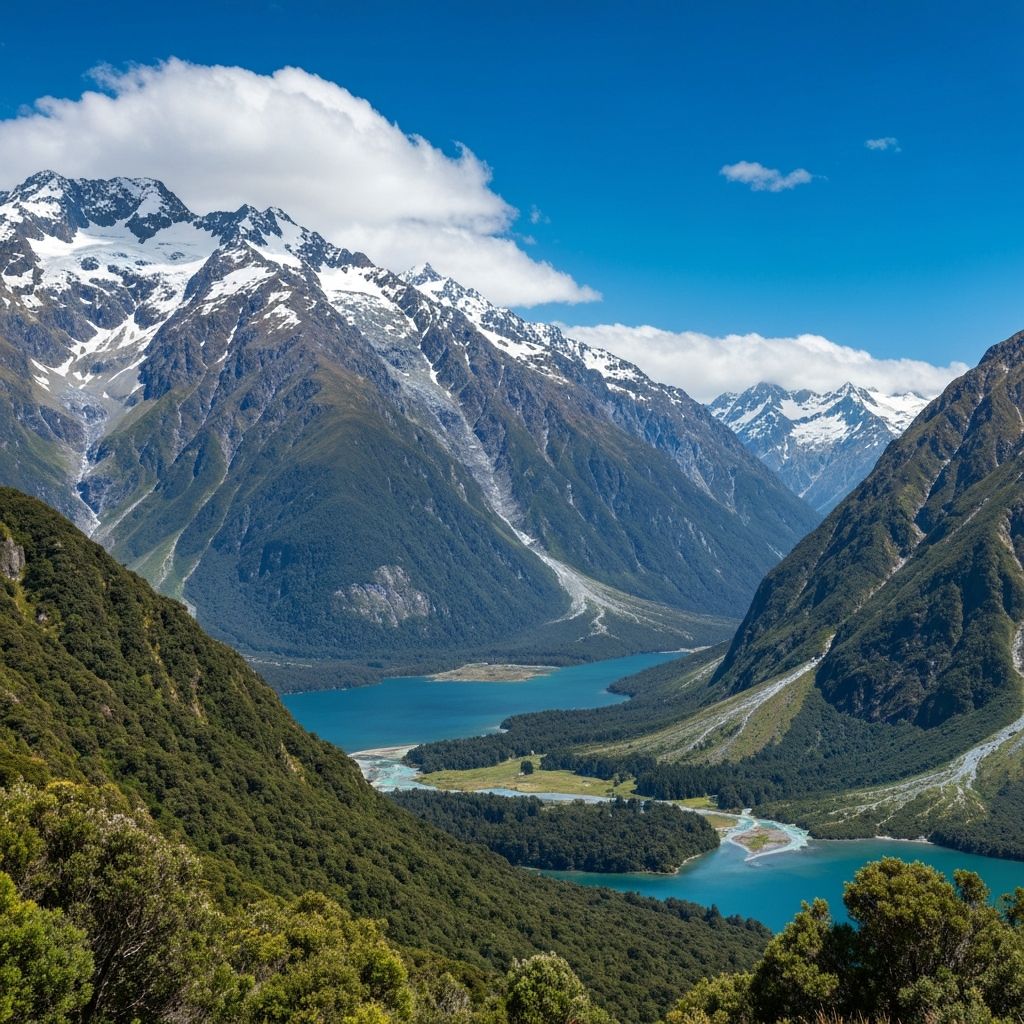
New Zealand looks small on a map but covers a lot of ground in practice: two main islands, winding roads, changeable mountain weather and ferries or flights between them. For a first trip the hard part is rarely finding things to do. It is choosing a set of places that fit the time you have. This guide describes ten destinations that suit first-time visitors, with what each is known for, how long people commonly allow, when it works best and what to book or check ahead.
Suggested stay lengths are planning guidance, not rules. Fees, opening hours and track or road conditions change, so for time-sensitive details we point you to the operator or the Department of Conservation (DOC) instead of quoting prices. For wider trip preparation, see our first-time visitor planning guide.
North Island or South Island? Choosing Where to Spend Your Time
If you only have time for one island, decide what you want most. The North Island has the largest city, geothermal Rotorua, the volcanoes of Tongariro, the Bay of Islands and the capital, along with many places where Māori history and culture are part of the visit. The South Island is where most visitors find high alpine scenery: Queenstown, Fiordland and Milford Sound, Aoraki/Mount Cook and the West Coast glaciers, with long distances between them.
The islands are linked by the Interislander and Bluebridge ferries between Wellington and Picton and by domestic flights. A trip that includes both islands usually needs extra time for the crossing and for weather delays.
1. Queenstown: Adventure Activities Beside Lake Wakatipu
- Suggested stay: two to three nights is common, longer if you want to combine activities with day trips.
- Seasons: summer suits lake and trail activities and winter suits skiing. Spring and autumn are quieter but the weather is more variable.
- Getting there: Queenstown has its own airport and road links, and many visitors arrive by domestic flight or rental vehicle.
- Plan ahead: book popular activities and accommodation early for school holidays and the ski season. Operators can cancel in poor weather, so keep a spare day.
2. Milford Sound/Piopiotahi: Fiordland’s Cliffs and Waterfalls
- Suggested stay: allow a full day for the road and cruise. Many travellers add a night in Te Anau so the day is not rushed.
- Getting there: by road along the Milford Road (State Highway 94) from Te Anau, on a coach tour, or on a scenic flight.
- Road conditions: in winter the Milford Road can close for avalanche risk, sometimes at short notice. The NZ Transport Agency advises allowing extra time and carrying chains. Check highway conditions before you leave and ask your cruise operator about its cancellation policy.
- Safety: DOC notes that a major earthquake could trigger a tsunami at Milford Sound. Read the local safety information when you arrive.
3. Rotorua: Geothermal Landscapes and Māori Cultural Experiences
- Suggested stay: one to two nights covers a thermal park, a cultural experience and a forest or lake walk.
- Seasons: the thermal parks can be visited in any season, and summer is best for forest and lake activities.
- Getting there: by road or coach from Auckland and other North Island centres, and tours and shuttles operate within the area.
- Safety: geothermal ground can be fragile and dangerous. DOC advises staying on marked tracks, keeping children supervised and avoiding thin crust and gas, so follow each park’s signs.
4. Auckland: Harbours, Volcanic Cones and Island Day Trips
- Suggested stay: two to three nights, plus a day for a ferry trip to Waiheke or Rangitoto if time allows.
- Seasons: Auckland can be visited all year. Summer is warm and busy, and showers can occur in any season.
- Getting around: buses, trains, ferries and rental vehicles operate. Check ferry timetables, which can be reduced in winter and on evenings.
- Plan ahead: book Sky Tower experiences and Waiheke tours in peak summer, and allow for jet lag after a long flight.
5. Tongariro National Park: Volcanoes and the Alpine Crossing
- Suggested stay: one to two nights nearby. The Crossing takes most of a day, so allow a spare day in case of bad weather.
- Seasons: summer and early autumn suit the Crossing. From about May to late October it becomes a winter alpine route that needs snow and ice equipment and avalanche awareness, and DOC recommends going with a guide.
- Getting there: shuttles serve the track ends from nearby towns in the walking season. Booking is free and recommended, and it is required for shuttles and guided walks. Visitor parking at one end is limited, so check DOC’s current transport advice.
- Safety: the area is volcanic. Stay on the marked track, keep out of the lakes, carry a head torch and extra clothing, and note that DOC does not recommend the Crossing for children under 10.
6. Wellington: Museums, Harbour Views and the Ferry to the South Island
- Suggested stay: two nights lets you see Te Papa, ride the cable car and visit either Zealandia or Wētā Cave.
- Seasons: Wellington works all year, and its weather can change quickly, so carry a waterproof layer.
- Getting there: by air, road or the Cook Strait ferry. Crossings take several hours and can be disrupted by weather, so avoid tight same-day connections.
- Plan ahead: check Te Papa admission, the cable car’s operating status, and bookings for Zealandia and Wētā Cave tours.
7. Bay of Islands: Island Cruises and the Treaty Grounds
- Suggested stay: two to three nights allows a cruise, the Treaty Grounds and time in Russell or Paihia.
- Seasons: summer suits water activities. Northland’s climate is milder than the south’s, but wet weather can cancel cruises at any time of year.
- Getting there: by road from Auckland or by domestic flight to Kerikeri.
- Plan ahead: book cruises and Treaty Grounds sessions in advance in January and February.
8. Aoraki/Mount Cook: Alpine Walking and Dark Skies
- Suggested stay: one to two nights. A day trip is possible, but staying lets you use a clear evening. Accommodation near the village is limited, so book early in summer.
- Seasons: summer is easiest for walking. Winter brings ice on shaded track sections and snow that can close State Highway 80.
- Getting there: by road from Twizel along State Highway 80, with paid parking at the track start. Scenic flights operate when weather allows.
- Plan ahead: check DOC track alerts and the forecast, and carry layers, water and sun protection.
9. Franz Josef and Fox Glaciers: Ice, Rainforest and Guided Access
- Suggested stay: one to two nights, with a spare day for weather.
- Seasons: the West Coast is wet at any time of year, so check the forecast. Summer and school holidays are busiest.
- Getting there: by road along State Highway 6. Distances between towns are long, so plan fuel and driving time carefully.
- Plan ahead: book guided trips and accommodation early in summer, and check DOC advisories before walking, because tracks and access roads can close after heavy rain.
10. Coromandel Peninsula: Beaches, Forest and Tide-Dependent Hot Pools
- Suggested stay: one to two nights, or longer if you want beaches and walks without rushing.
- Seasons: summer suits the beaches but is busy in January. Autumn and spring are quieter.
- Getting there: by road from Auckland. A rental vehicle gives the most flexibility, and winding coastal roads add time, so allow more than the map suggests.
- Plan ahead: check tide times for Hot Water Beach, DOC’s Cathedral Cove status and summer accommodation.
Why Distances Matter When You Choose Destinations
How Many Places Fit Into One Trip?
| Trip length | Realistic focus | Example combinations (not fixed routes) |
|---|---|---|
| About 1 week | One region or two bases | North Island: Auckland with Rotorua. South Island: Queenstown with a Fiordland or Aoraki/Mount Cook trip. |
| About 2 weeks | Three to four bases | North Island: Auckland, Rotorua, Tongariro and Wellington. South Island: Queenstown, Milford Sound, Aoraki/Mount Cook and the West Coast glaciers. Or a shorter mix of both islands joined by flight or ferry. |
| 3 weeks or more | Both islands at an unhurried pace | North Island highlights, including the Bay of Islands or Coromandel, plus South Island alpine regions. Add rest days and weather margins. |
When to Go: Seasonal Trade-Offs
Summer (December to February) has the longest days and the most settled conditions for walks and water activities, but it is the busiest period, and school holidays around Christmas and January fill popular places. Autumn (March to May) and spring (September to November) are often quieter, with changeable weather. Winter (June to August) suits skiing around Queenstown and the central North Island, but it brings snow on mountain roads, alpine conditions on tracks such as the Tongariro Alpine Crossing, and more cancelled flights, cruises and tours.
Decide what matters most: warm coastlines and long days, fewer crowds, or snow. For a fuller look, see our best time to visit New Zealand guide. If you want to build a trip around an event, see the summer festival calendar for 2026 to 2027.
Booking Ahead and Planning for Cost and Cover
Book first the things that sell out or depend on a single operator: accommodation at Aoraki/Mount Cook Village and Franz Josef in summer, Milford Sound cruises, glacier heli-hikes, Tongariro shuttles and guided walks, ferry day trips, and the Cook Strait ferry if you are taking a vehicle. Because many activities depend on the weather, choose flexible options where you can and keep a spare day around any major activity.
For help setting a budget, see our New Zealand budget travel guide. Cancellations and adventure activities are worth thinking about before you pay deposits: our guide to travel insurance for New Zealand explains what ACC and public health care do and do not cover for visitors.
Travelling Responsibly at These Destinations
Many of these places are fragile or culturally significant. The Tiaki Promise asks visitors to care for land, sea and nature, to travel safely and to respect culture. In practice that means staying on marked tracks and behind barriers, especially around geothermal areas and glaciers, following DOC advice on weather, hazards and closures, cleaning footwear in kauri forest, taking rubbish with you, and following signs and guides at cultural sites.
For wildlife encounters and general nature safety, see our wildlife and nature safety guide.
Frequently Asked Questions
How many days do I need to see these ten destinations?
Not all ten fit into a short trip. Ten bases would mean constant travel, and most itineraries work better with a handful of them. With about two weeks, a North Island route of cities and geothermal areas or a South Island alpine route is more realistic than trying to cover both islands. See the trip-length table above.
Do I need a rental car?
Not for every destination. Auckland, Wellington and Queenstown are practical without one, and tours, shuttles and scenic flights serve places such as Milford Sound, Tongariro and the glaciers. A vehicle gives flexibility in Coromandel, the Bay of Islands and other regions with limited public transport, but long distances, driving on the left and winter conditions need planning.
Is Te Papa free for international visitors?
No. Since September 2024 Te Papa has charged international visitors aged 16 and over for general admission, while entry remains free for New Zealanders and people living in New Zealand. Policies and prices can change, so check Te Papa’s website before you go.
Do I need an NZeTA or visa before booking?
Many visitors need an NZeTA or visa before they travel. Check what applies to your passport before booking non-refundable flights or tours, and allow time for the application.
Conclusion
Ready to Apply for Your NZeTA?
Start your New Zealand adventure today with a quick and easy NZeTA application
Request an NZeTA